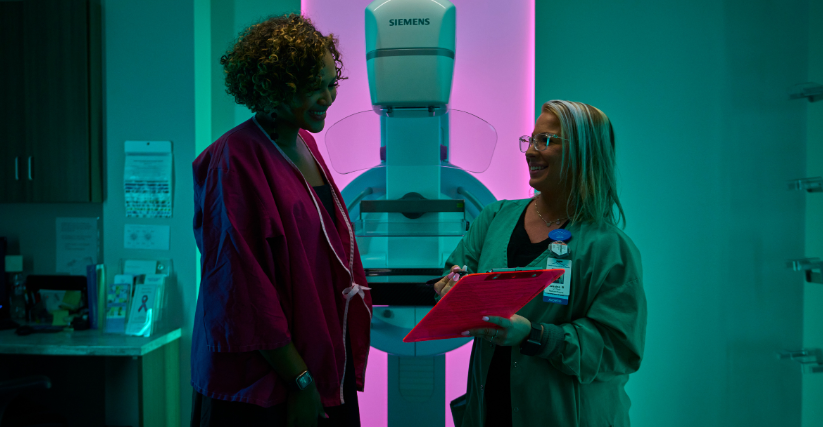

When it comes to choosing a healthcare provider, you often have options. For instance, doctors, certified physician assistants (PA-Cs) and advanced practice registered nurses (APRNs) are among the valued members of Carson Valley Health’s medical team.
But who are these different providers, and what should you keep in mind as you schedule your appointment?
What is a PA-C?
PA-Cs work with doctors to care for patients—and they’ve been around since the 1960s. These licensed providers work in a variety of medical specialties, from primary care to emergency medicine. They finish clinical rotations, graduate from an approved PA program, pass a certification test and keep up with education requirements.
PA-Cs usually work in collaboration with a physician. They examine patients, order and interpret diagnostic imaging and lab tests, diagnose and treat conditions, suture wounds, set fractures, give immunizations, prescribe medications and guide patients on their care.
What is an APRN?
There are many types of APRNs, including certified nurse midwives (CNMs), certified registered nurse anesthetists (CRNAs) and nurse practitioners, or NPs. NPs start as registered nurses and then finish a graduate-level program and extra clinical training in their specialty. NPs can be certified in specialties like family medicine and orthopedics, to name just a few.
NPs diagnose and manage short-term and chronic health problems and help patients make choices. They perform and interpret lab work and imaging, prescribe medicines and other treatments, and coordinate patient care. They play a big part in helping to meet the nation’s primary care needs.
More than one kind of doctor
Physicians complete the longest and most extensive training. It includes four years of medical school, plus three to seven years of residency (and sometimes fellowship training) to become an MD (doctor of medicine) or DO (doctor of osteopathic medicine).
Both types of doctors complete extensive training. One difference is that DO programs often focus on treating the whole person: mind, body and spirit.
What to consider
A doctor might be your choice for more complex issues, like when you need surgery (or if you simply prefer to see one). But choosing a different provider can have advantages too. In many cases, you can get an appointment sooner.
Many people see a PA-C or APRN for their routine primary care and for managing ongoing conditions like diabetes or high blood pressure. They can help connect you to a doctor for specialized or advanced care if needed.
No matter which provider you see, you will want someone you feel comfortable with. That’s someone who listens and truly cares. And of course, your provider should have expertise in the specialty you need.
At Carson Valley Health, you can count on all of our PA-Cs, APRNs and doctors to provide excellent care—and to work together to meet your needs. Need help choosing a provider? Call 775.782.1550 or search our Provider Directory.